
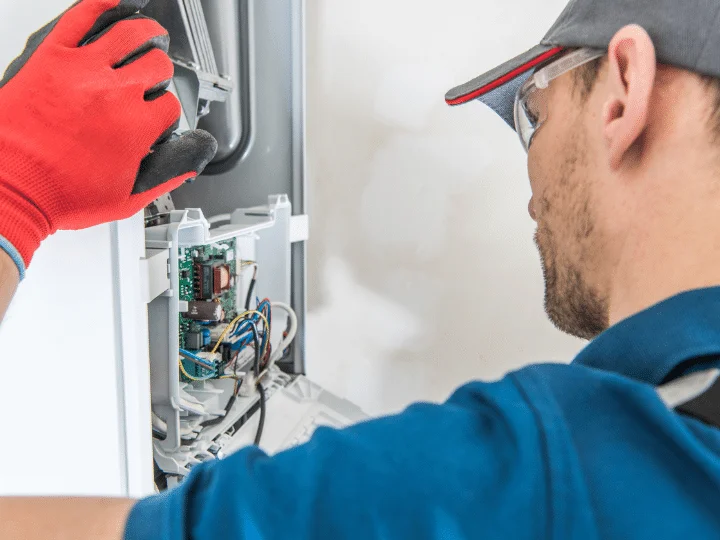
When a winter storm rolls off the Front Range and your heating drops out at 2:00 AM, the immediate question isn’t just who can fix this, but how much is this going to set me back? In Fort Collins, the average cost for a standard furnace repair usually ranges between $150 and $450. However, when you cross over into true emergency territory—after hours, weekends, or major holidays—those numbers shift due to diagnostic fees, overtime labor, and part availability.
Here is a transparent breakdown of what you can actually expect to pay to get your heat back online when the temperature drops.
Breaking Down the Costs: Diagnostic Fees vs. Component Repairs
Most HVAC contractors charge a flat trip charge or diagnostic fee just to get a technician to your door. During normal business hours, this is typically $79 to $120. For an emergency call-out in Northern Colorado, that diagnostic baseline usually bumps up to $150 to $250.
Once the technician isolates the failure, the overall price tag depends heavily on the specific component that failed:
- Flame Sensor Cleaning or Replacement: $100 – $250. This is one of the most common culprits behind a furnace that starts up and immediately shuts down.
- Igniter Replacement: $150 – $300. Silicon carbide or nitride igniters wear down over time and simply stop glowing.
- Thermostat Malfunctions: $200 – $450. If the control system isn’t communicating with your heating equipment, nothing happens.
- Blower Motor Replacement: $400 – $900+. A failed blower means the heat generated in your heat exchanger stays stuck there, tripping safety switches instead of warming your home.
- Circuit Board (Control Module) Failure: $350 – $650. The brain of your system can be fried by local power surges or simple age.
Why Emergency Rates Differ Across Northern Colorado
You aren’t just paying for the physical part; you are paying for immediate availability. True 24/7 service providers keep stocked service trucks ready to roll even in blizzard conditions.
If your system goes down, we always recommend verifying upfront whether a company charges flat-rate pricing or a straight hourly rate for emergency labor. Flat-rate structures keep your costs predictable because you are quoted a single price for the fix, regardless of how long the technician spends troubleshooting in your basement.
Before you make that emergency call, try these quick checks:
- Verify the Thermostat: Ensure it didn’t accidentally lose power or get switched to “Cool.”
- Check the Air Filter: A completely clogged filter restricts airflow so severely that the furnace will overheat and shut down via its high-limit switch.
- Confirm the Power Switch: Make sure the furnace’s external power switch (which looks like a standard light switch near the unit) wasn’t accidentally toggled off.
If these don’t resolve the issue, it’s time to call in professionals who specialize in rapid, reliable furnace repair services to prevent your plumbing pipes from freezing.
How to Avoid Premium Emergency Repair Fees
The easiest way to keep emergency service costs at zero is to stop the failure before it happens. Routine technical inspections catch hairline cracks in hot surface igniters, for example. And worn bearings in inducer motors, and corroded flame sensors long before they cause a midnight system failure.
Signing up for a preventative HVAC maintenance plan often includes many perks. Perks like waived diagnostic fees, priority scheduling during peak seasonal rushes, and early detection of hidden mechanical problems.
Is your heating system is more than 15 to 20 years old and structural components like the heat exchanger are compromised? In that case, investing in a high-efficiency furnace installation might be a far more financially sound move than sinking hundreds of dollars into short-term emergency repairs.